
Speaking Test Finished
Test 1 Completed
Listen back to your answers, re-read the questions and use the checklist below to assess yourself.
Corrección con IA
Ya te has grabado. ¿Quieres saber qué nivel sacaría tu Speaking?
Los alumnos del curso lo corrigen aquí mismo, al momento, con los criterios del Aptis:
- Tu nivel estimado (A1 a C2)
- Cumple la tarea · Fluidez y cohesión · Gramática · Vocabulario
- Lo que has dicho, transcrito, con tus errores explicados en español
- Una versión mejorada de cada respuesta
Your answers
🔒 Your recordings are stored only in this browser. Download the ones you want to keep.
Loading your recordings…
No recordings found in this browser.
Recordings are only kept on the device where you took the test. If you used another browser, cleared your site data, or opened this page directly, they are not available here.
Part 1 · Compare two pictures: Caring for older people

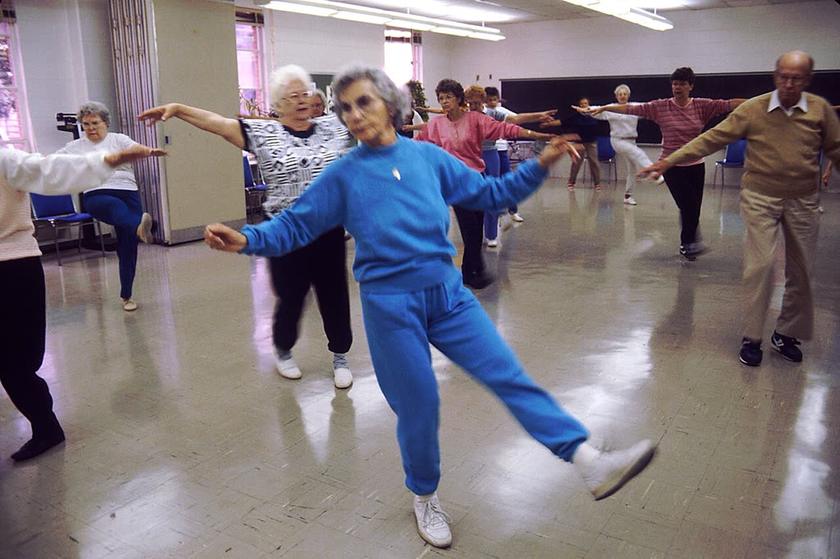
- Tell me what you can see in these two pictures and how the experience of the older people might be different. (45 s)
- Why do you think families in many countries are less likely to look after elderly relatives at home than they used to be? (45 s)
- What might be the long-term consequences for society if people continue to live much longer than previous generations? (45 s)
Part 2 · Abstract topic: Trust
- Can you tell me about a time when you had to decide whether to trust someone you did not know well?
- Why do you think some people find it much easier to trust others than other people do?
- To what extent can a society function well if its citizens no longer trust their public institutions?
60 s to prepare, 120 s to answer all three questions together.
Part 3 · Presentation: Leadership
Give a presentation to a group of recent graduates about the qualities that make someone a good leader.
- Describe a leader you admire
- Explain which qualities matter most and why
- Say whether leadership can be taught
60 s to prepare, 90 s to speak.
Follow-up question: Do you think people today are less willing to accept authority than they were in the past, and why might that be? (45 s, no preparation)
How to assess yourself
In the real exam each part gets a mark, and the examiner listens for the same four things in every answer. Play each recording and ask yourself:
- Fluency and cohesion: did I speak for the whole time without long pauses, and did I link my ideas (because, although, however, on the other hand)?
- Vocabulary: did I use varied, precise words, or did I repeat the same ones?
- Grammar: did I use the right tenses, and did I try structures beyond the simplest ones?
- Pronunciation: would a stranger understand me easily at first listen?
And one that is not a language criterion but costs marks every time: did I actually answer the question that was asked, or did I talk around it?
Tip: at Advanced level the examiner is listening for range, not just accuracy: hedging (it could be argued that), speculation (this might lead to), and a clear structure in the presentation (an opening, two or three developed points and a conclusion).
En el curso Aptis
Deja de adivinar tu nota de Speaking
La lista de arriba ayuda, pero cuesta mucho juzgarse a uno mismo. En el curso te corregimos cada Speaking que grabes, con los criterios del examinador, y sabes qué te baja la nota y cómo arreglarlo. Pago único de 89 €:
- Todos tus Speakings corregidos con IA: los tests del simulador y las 33 tareas de las lecciones (hasta 40 correcciones al mes)
- Tu nivel y cada error explicado en español, sobre lo que tú has dicho
- Respuestas modelo con audio británico, para oír cómo sonaría un nivel más
- Las estructuras que suben nota en cada parte y un tutor por WhatsApp para tus dudas